Acceleration Sled Collision Simulation: Directing Safer Impact Tests
Safety is a primary concern throughout the development of modern vehicles and transport systems. Engineers need a controlled way to reproduce real collision events in the laboratory and evaluate how products behave under severe impact. An acceleration sled collision simulation system is built for exactly that task.
Why collision simulation matters
Before a product is finalized, developers need clear answers to practical safety questions: Can a seat belt restrain occupants effectively? Does an airbag deploy at the right moment? Will a new-energy vehicle battery pack deform or ignite under violent impact? Can an aircraft seat withstand emergency landing loads?
A crash simulation system reproduces collision conditions in a controlled and repeatable way, giving product teams reliable data for design decisions and helping protect end users.
From wall impact to precise waveform control
Traditional sled tests often rely on a cart striking a physical barrier, with different barrier materials used to adjust the pulse. That method can be slow to prepare, less repeatable, and limited in waveform flexibility.
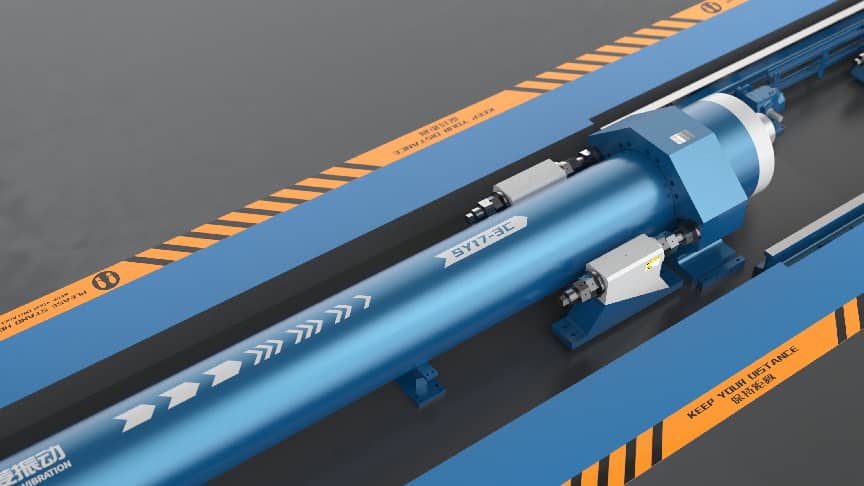
Dongling developed the SY17-3C acceleration sled collision simulation system with pneumatic-hydraulic servo control, enabling a more precise and efficient approach.
- Precise waveform control: half-sine, trapezoidal, triangular, and complex irregular pulses can be generated for different standards and test needs.
- High repeatability: the same conditions can be reproduced accurately, improving result consistency and comparability.
- No physical barrier required: pneumatic propulsion and servo-hydraulic braking work together to complete pulse simulation without a crash wall.
- Positive and negative acceleration coverage: the system can simulate frontal impact as well as rebound and other complex mechanical responses.
How the system works
The system combines pneumatic propulsion with servo-hydraulic variable thrust control. The pneumatic unit accelerates the sled carrying the test specimen to a target speed, while the servo-hydraulic unit adjusts braking force in real time. Together, these forces generate the required crash pulse curve under closed-loop control, helping ensure waveform accuracy and repeatability.
Applications across safety-critical industries
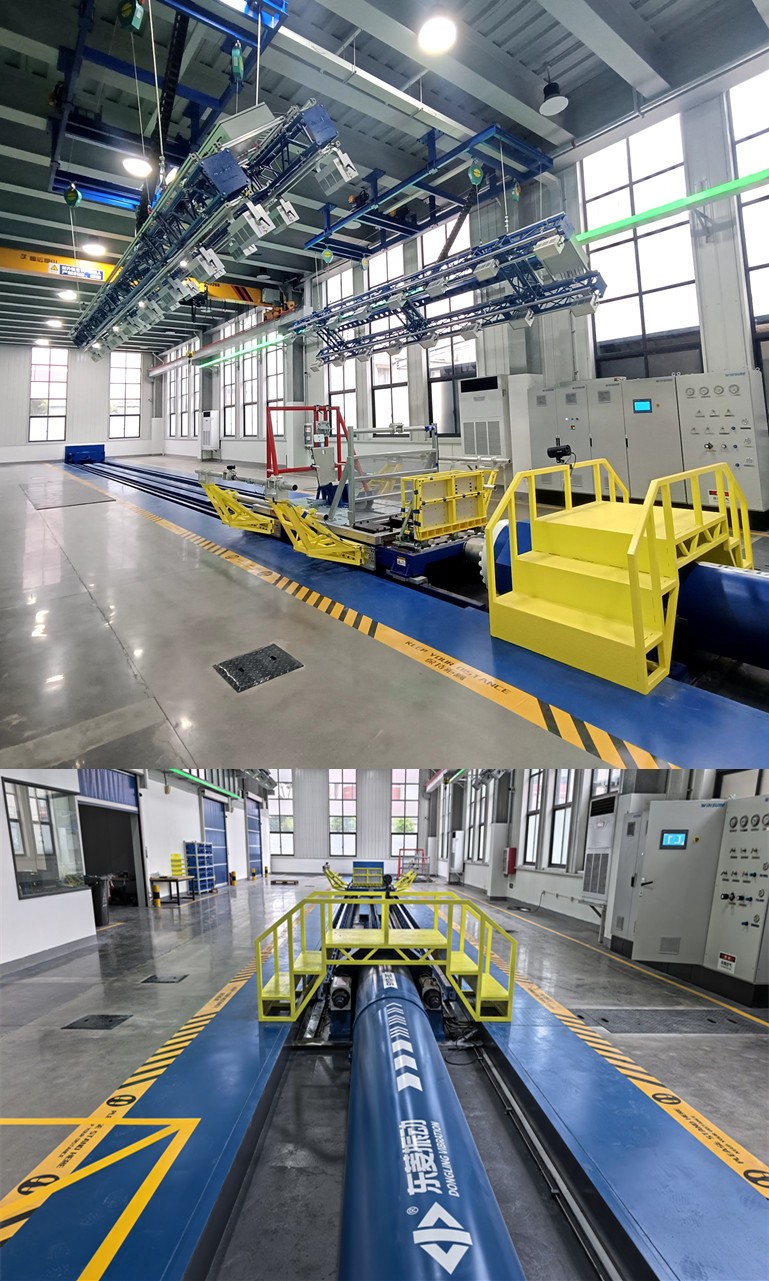
SY17-3C supports safety validation in several key fields. In automotive seat crash testing, for example, the system can reproduce collision conditions and provide critical verification data for seat structure safety.
- Automotive safety: seats, seat belts, airbags, door systems, and new-energy vehicle battery packs.
- Civil aviation: aircraft seat impact environments during emergency landing scenarios.
- Rail transit: collision safety tests for train seats and interior systems.
Conclusion
Every precise collision simulation gives engineers better evidence for product improvement. Every rigorous validation cycle adds another layer of safety for users. As a key test platform for modern transport development, acceleration sled collision simulation helps industries build safer, more reliable products.
Dongling Test is committed to the research and manufacturing of mechanical environmental test equipment, providing professional test technology solutions for safety-critical industries.
Author: Wen Jingjing
Follow Dongling Updates
Stay informed about our latest breakthroughs in the field of mechanical environmental testing and our contributions to the industry.
Contact